
Generating standard vector graphics or simple portraits is a trivial task for modern artificial intelligence. If you truly want to evaluate the capabilities of competing AI systems, you have to challenge them with scenarios that break their internal physical logic.
We put OpenAI’s ChatGPT (running on Images 2.0) and Google’s Gemini (powered by Nano Banana 2) head-to-head in a three-round challenge testing three classic AI weaknesses: complex physical material combinations, fluid text typography, and intricate object interaction.
Here are the exact prompts we used, how the models performed, and how they stack up side-by-side.
Round 1: The material test
The prompt:
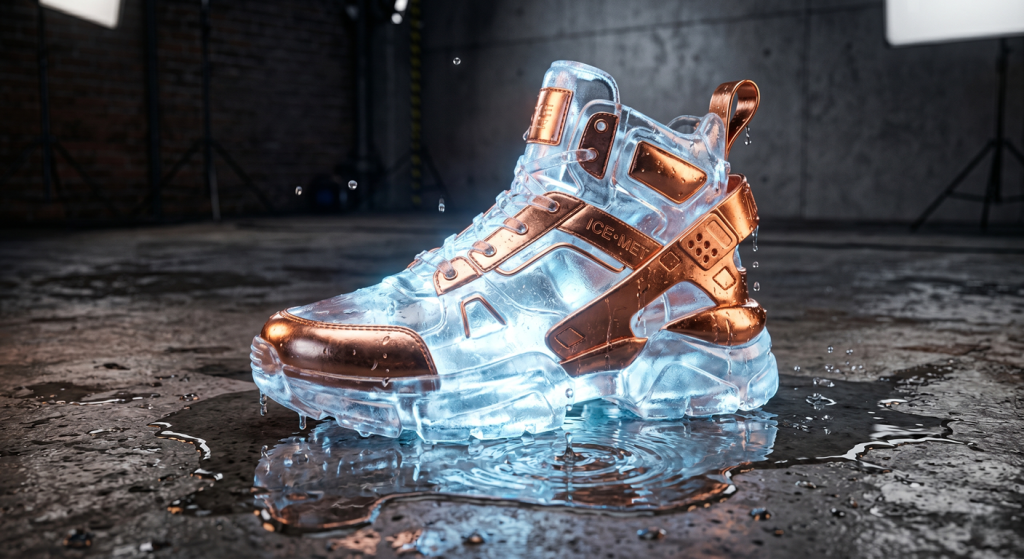
“A commercial studio shot of a futuristic hypebeast sneaker made entirely out of transparent glowing ice and polished copper. The sneaker is melting slightly, with realistic water droplets dripping onto a concrete floor.”
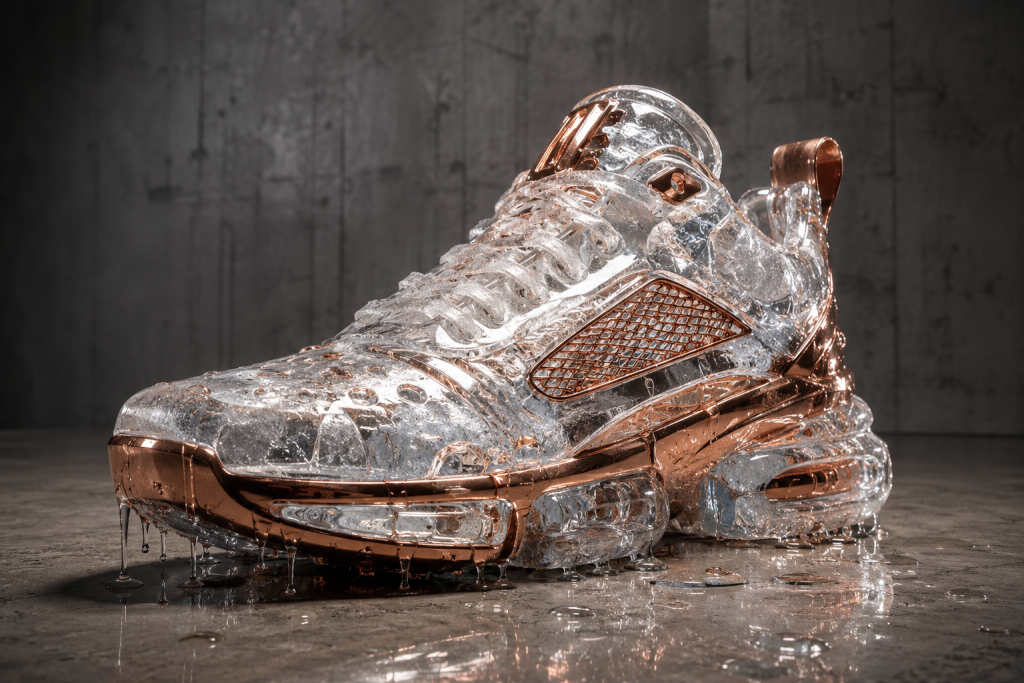
- ChatGPT (Images 2.0): Handled the textures with breathtaking macro clarity. The ice looks dense, clear, and realistic, while the copper panels have an incredibly reflective, mirror-like studio finish. Water drips directly off the sole onto a highly reflective dark stone floor, creating a perfect luxury commercial aesthetic.
- Google Gemini (Nano Banana 2): Took a completely different, cinematic approach. Gemini added a brilliant internal blue light that makes the ice look frozen from the inside out. It also excelled at structural branding, etching fictional text (“ICE-MET”) into the copper straps and placing the shoe in a massive, realistic water puddle on a rough concrete studio floor, complete with visible background studio equipment.
Round 2: The typography test
The prompt:
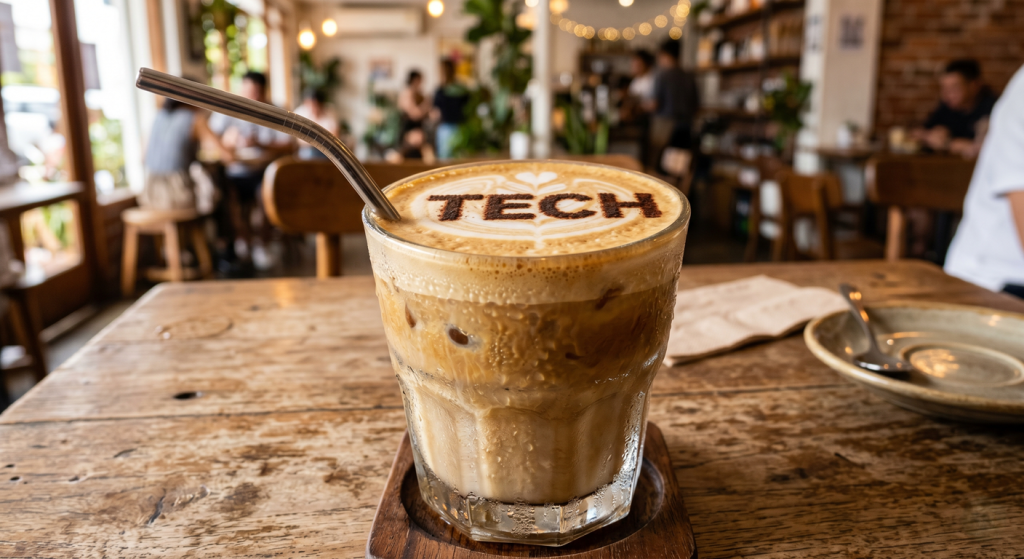
“A macro photography shot of an iced latte on a wooden cafe table. The condensation drops on the glass are hyper-detailed. The latte foam art perfectly spells the word ‘TECH’ in bold letters.”
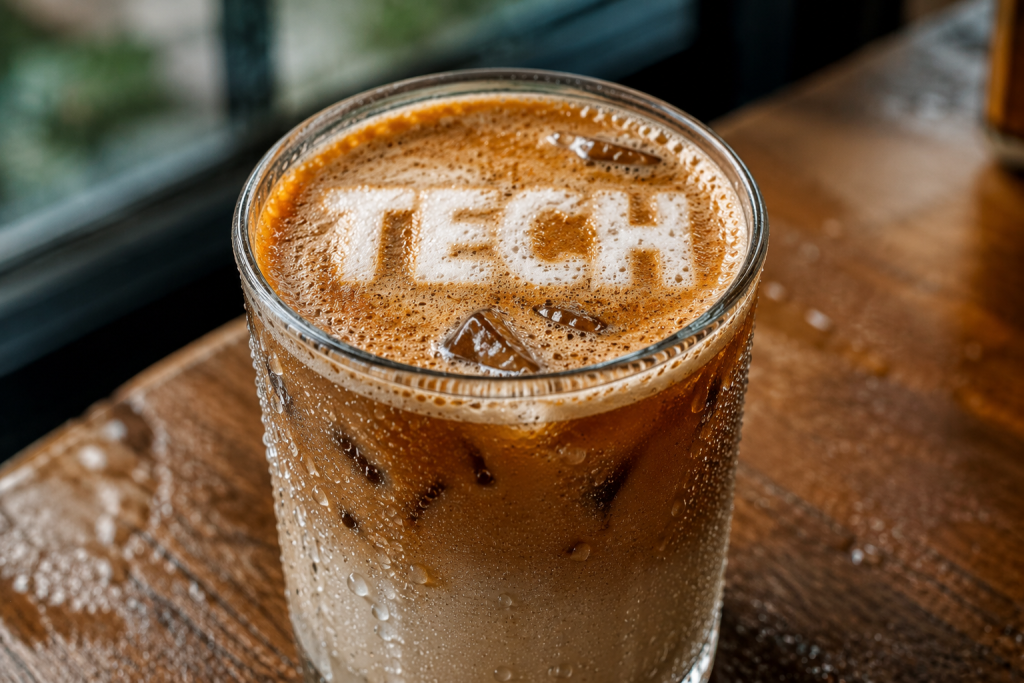
- ChatGPT (Images 2.0): Followed the “macro photography” instruction to the letter. It delivered a tight, top-down shot focusing entirely on the glass. The word “TECH” is spelled flawlessly in negative white space surrounded by rich, bubbly espresso crema, with gorgeous condensation droplets running down the glass.
- Google Gemini (Nano Banana 2): Opted for environmental storytelling. It pulled the camera back to reveal a beautifully shallow-depth-of-field coffee shop setting, complete with a metal straw resting in the glass and a realistic wooden table setup. The text “TECH” was beautifully integrated using a dark cocoa powder stencil overlay on top of the foam.
Round 3: The interaction test
The prompt:
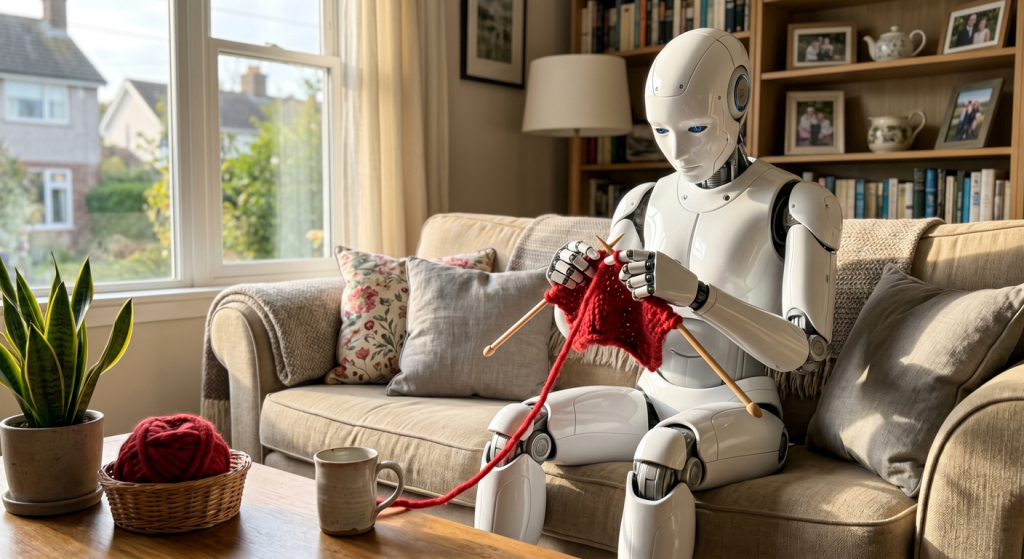
“A realistic candid photo shot on an iPhone 15 of a sleek, white humanoid robot sitting on a living room sofa, clumsily trying to knit a sweater out of thick red yarn. The lighting is natural afternoon sunlight coming through a window.”

- ChatGPT (Images 2.0): Focused heavily on a sleek, high-contrast character design. The white humanoid robot features polished plating and striking black eye-lenses. It handles the knitting needles and yarn with high structural definition, placing a massive ball of red yarn directly on the couch next to it.
- Google Gemini (Nano Banana 2): Mastered the “candid photo” and “living room sofa” framing flawlessly. The lighting looks genuinely organic, with soft, directional afternoon sunlight cutting across a cozy living room complete with bookshelves, picture frames, a coffee mug, and a houseplant. The robot itself features soft, expressive blue eyes, making the scene feel incredibly lifelike and grounded.
💡 The image generation pro-tip
When generating images across both Images 2.0 and Nano Banana 2, the algorithms naturally trend toward vibrant, hyper-saturated colors because that is what users typically click on. If you want to strip away that artificial “AI look” and force the engines to deliver true photorealism, append this modifier to the end of your prompts:
“…shot on a 35mm lens, muted color palette, natural afternoon shadows, authentic candid photography style, slight film grain, unpolished look.”
This trick forces the AI to look at training data from raw film and amateur photography rather than highly edited commercial stock photos, instantly giving your generated content a premium, real-world texture.